- From $410.00Unit price /Unavailable
-
- From $349.95Unit price /Unavailable
-
- From $230.00Unit price /Unavailable
-
- From $185.00Unit price /Unavailable
-
- From $185.00Unit price /Unavailable
-
- From $349.95Unit price /Unavailable
-
- $480.00Unit price /Unavailable
-
- $480.00Unit price /Unavailable
-
- $480.00Unit price /Unavailable
-

OUT OF - VOID GOGGLE LILAC w THE ONE LOTO PHOTOCROMATIC LENS
$289.00Unit price /Unavailable
OUT OF - VOID GOGGLE EXPLOSION w THE ONE GELO PHOTOCROMATIC LENS
$289.00Unit price /Unavailable
OUT OF - VOID GOGGLE EXPLOSION w THE ONE FUOCO PHOTOCROMATIC LENS
$289.00Unit price /Unavailable
OAKLEY LINE MINER PRO L 50th METALLIC BLK w PRISM 24K
$426.00Unit price /Unavailable
OAKLEY LINE MINER L B1B NAVY w PRIZM SAPPHIRE IRID
$233.00Unit price /UnavailableOUT OF - ELECTRA 3 GOGGLE BLACK w IRID-RED LENS
$799.00Unit price /Unavailable-
OUT OF - ELECTRA 3 GOGGLE BLUR w IRID-BLUE LENS
$799.00Unit price /Unavailable-
- $139.99Unit price /Unavailable
-
- $59.99Unit price /Unavailable
-
OAKLEY LINE MINER L FACTORY PILOT BLACK w PRIZM SAPPHIRE PRIZM SAPPHIRE
$248.00Unit price /Unavailable-
SMITH 4D MAG S AC HADLEY CHROMAPOP EVERYDAY ROSE GOLD + STORM ROSE
$480.00Unit price /Unavailable-

OAKLEY LINE MINER S/YOUTH B1B LILAC w PRIZM SAPPHIRE PRIZM SAPPHIRE
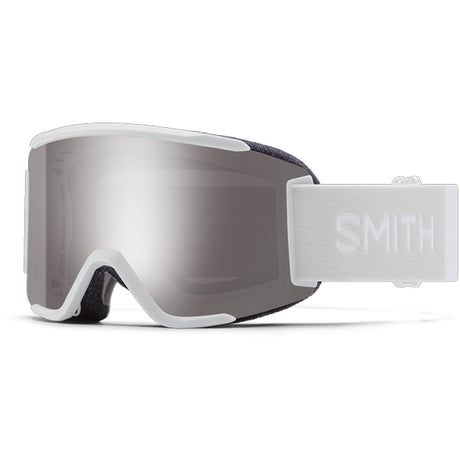
$233.00Unit price /UnavailableSMITH SQUAD S WHITE VAPOR CHROMAPOP SUN PLATINUM + CLEAR
$185.00Unit price /Unavailable-

OAKLEY LINE MINER L B1B BLACKOUT w PRIZM SAPPHIRE PRIZM SAPPHIRE
$213.00Unit price /Unavailable- $79.00Unit price /Unavailable
-


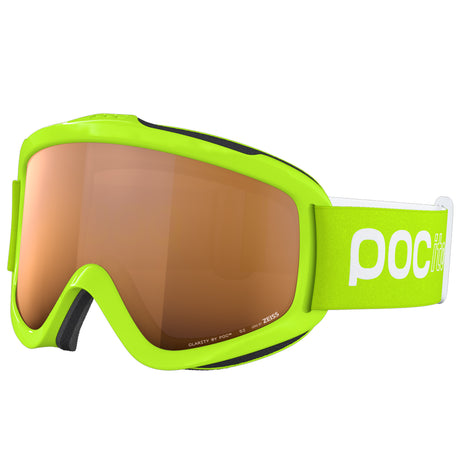


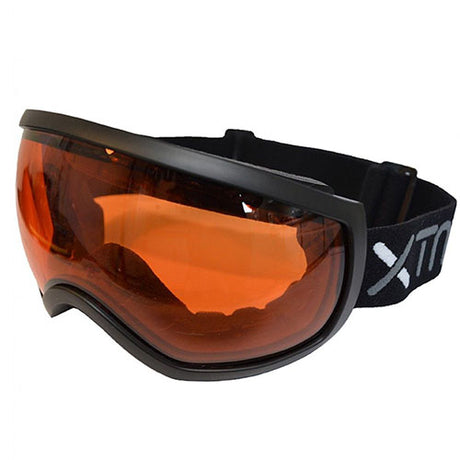
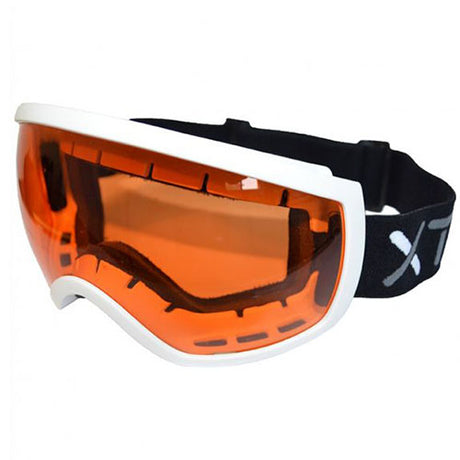




How to Choose the Right Ski and Snow Goggles
Matching your lens to the conditions
Your lens choice largely comes down to VLT, or visible light transmission; a higher VLT percentage lets more light through, which is what you want for flat light and storm days where cloud coverage can make highlights in your surrounding dimmer.
- A lower VLT, by comparison, blocks more light and suits bright, sunny conditions. If you only carry one lens, an all-round tint in the 8–20% VLT range covers the most ground. Contrast-enhancing and mirrored options can help to pick out terrain detail when visibility drops.
Fit, fog resistance and helmet pairing
Size affects your field of view, and how well goggles sit against your helmet over a long period of time on the slopes. A low-bridge fit is important here in sealing across the nose and cheeks for faces where standard frames tend to gap, reducing pressure points and cold air leaks.
- Keeping the inner lens dry and avoiding wiping it with a glove is important for maintaining the anti-fog coating that keeps condensation and moisture from building up. When it comes to helmet fit, your frame profile, strap length, and the gap between your helmet brim and the goggle frame all matter; nobody wants the dreaded gaper gap.
Built for Australian conditions and bigger adventures
Australian snow can throw wet sleet, dense fog, and blinding sunshine at you in a catastrophic cocktail of distracting conditions, all in the same afternoon.
- For those who don't mind keeping items on them, carrying an interchangeable lens, or choosing a magnetic lens system, lets you swap tints on the chairlift instead of squinting through the wrong filter for half the day.
OTG (over-the-glasses) frames are also in our range, for those who can't escape their prescription eyewear. Looking for deeper frames with foam channels that sit comfortably over your glasses without distortion is key here; our team matches goggles to helmets, face shapes, and the kind of riding you actually do, so get in touch if you're unsure.
Frequently Asked Questions
What lens works best for Australian snow conditions?
What lens works best for Australian snow conditions?
For variable weather, a mid-range VLT lens around 8–20% handles most days. Pack a high-VLT spare for storm and flat-light sessions. If you ride mostly sunny resorts, a low-VLT mirrored lens with contrast enhancement is a better starting point.
How do I stop my goggles fogging up?
How do I stop my goggles fogging up?
Double-lens goggles with anti-fog coatings resist moisture buildup. Keep vents clear of snow, never wipe the inner lens, and dry your goggles at room temperature after each session. Wearing them pushed up on your helmet or forehead traps heat and moisture inside, so clip them to your helmet instead during breaks.
What does low-bridge fit mean?
What does low-bridge fit mean?
Low-bridge fit goggles have a shallower nose profile and denser foam around the bridge area, giving a flush seal on faces where standard goggles leave gaps. The result is less fogging, less cold air, and a more comfortable wear all day.
Will these goggles fit with my helmet?
Will these goggles fit with my helmet?
Most modern goggles are designed to be helmet-compatible, but frame size and strap adjustability vary. Try them on together before your trip, or contact our team for pairing advice based on the helmet you own.
Can I wear ski goggles over my glasses?
Can I wear ski goggles over my glasses?
Yes. OTG goggles feature a deeper frame and notched foam to accommodate glasses arms. Fit depends on the size of your frames, so check the goggle's internal dimensions against your glasses before purchasing.