
- $49.95Unit price /Unavailable
-

SWANY CONVERTIBLE 3-IN-1 BALACLAVA
$59.99Unit price /Unavailable
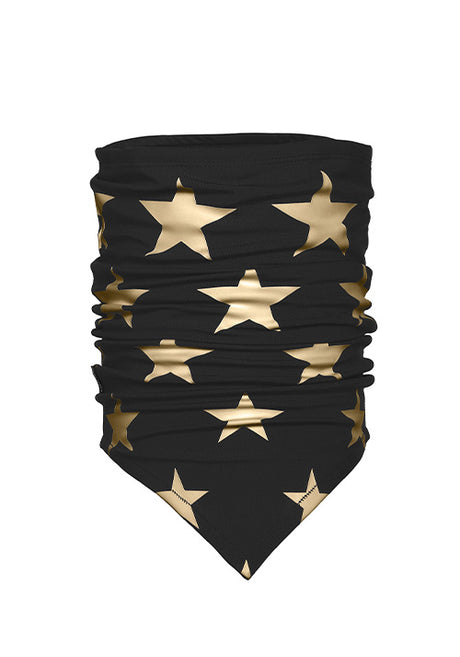
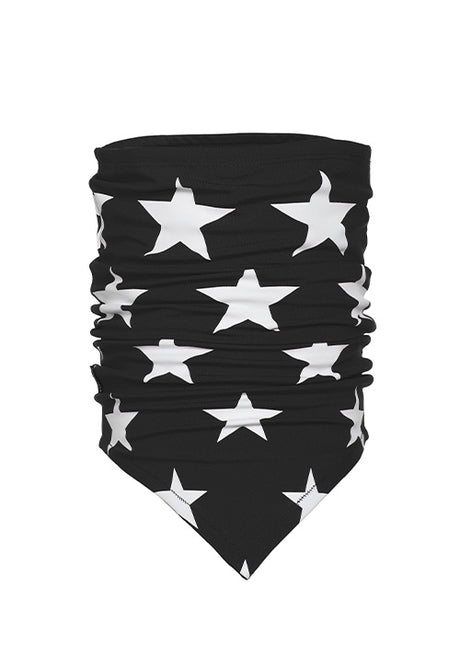
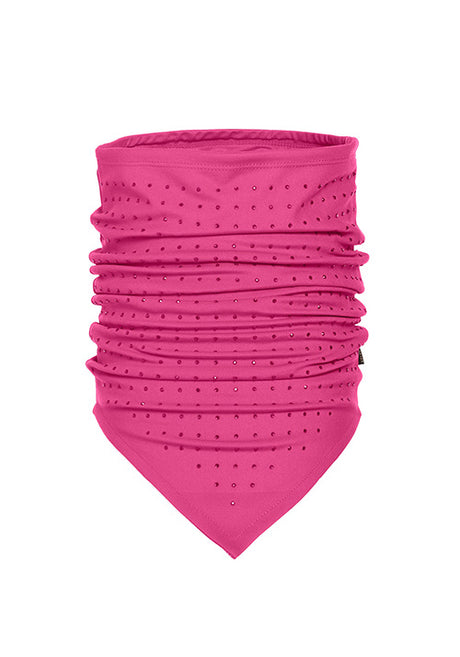
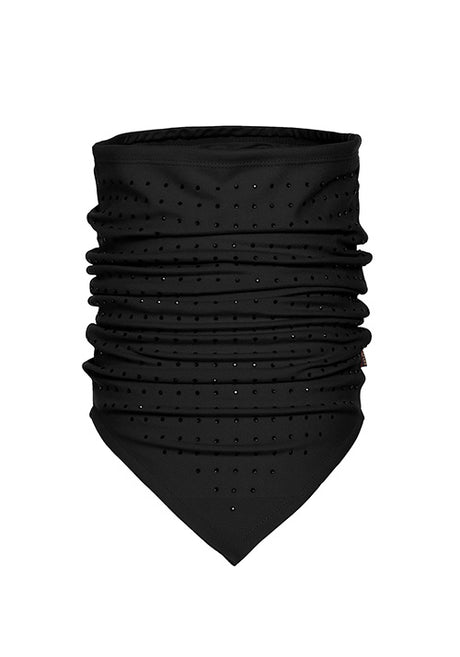
GOLDBERGH GIULIETTA NECKWARMER - BLACK
$99.00Unit price /Unavailable- $19.99Unit price /Unavailable
-
- $44.99Unit price /Unavailable
-
- $99.95Unit price /Unavailable
-
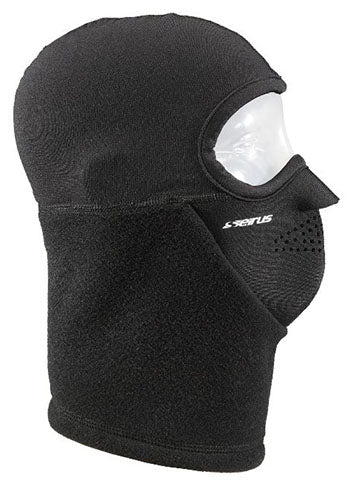
SEIRUS COMBO ADULT THICK N THIN HEADLINER
$49.00Unit price /Unavailable
XTM POCKET LIGHTWEIGHT BALACLAVA
$19.99Unit price /Unavailable- $64.99Unit price /Unavailable
-
- $29.99Unit price /Unavailable
-
- $19.99Unit price /Unavailable
-
- $54.99Unit price /Unavailable
-
 From $44.99Unit price /Unavailable
PHUNKSHUN KOMBU CONVERTABLE BALACLAVA
$55.95Unit price /Unavailable-
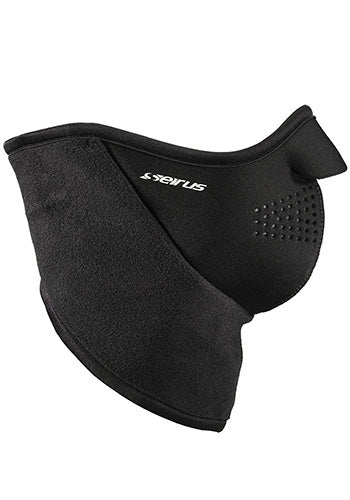 $45.00Unit price /Unavailable
- $189.00Unit price /Unavailable
-
- $95.00Unit price /Unavailable
-
- $54.95Unit price /Unavailable
-

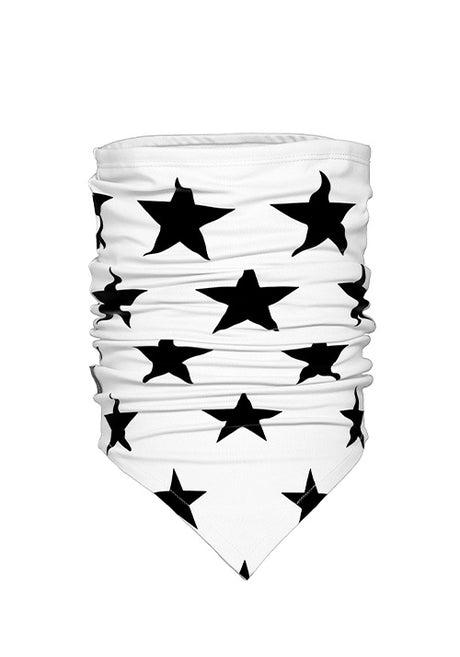
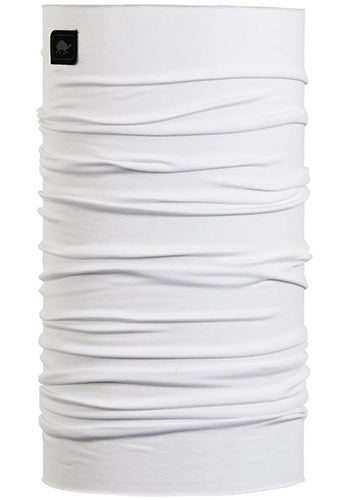
GOLDBERGH GIULIETTA NECKWARMER - WHITE
$99.00Unit price /Unavailable
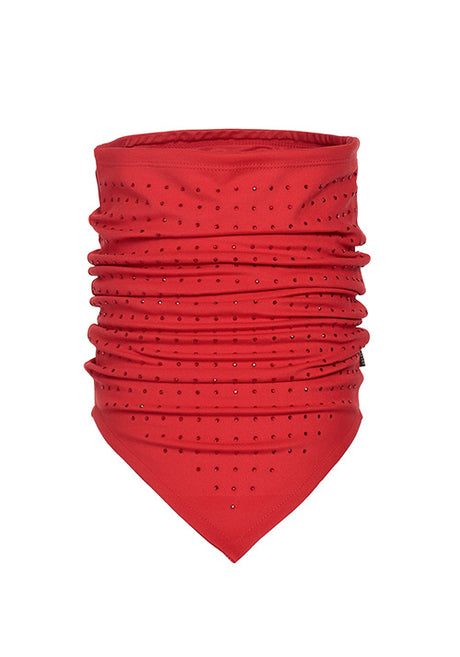
GOLDBERGH GIULIETTA NECKWARMER - FLAME
$99.00Unit price /UnavailableXTM SPY BALACLAVA FLEECE ADULTS
$19.99Unit price /Unavailable-
GOLDBERGH STARLIGHT NECKWARMER
$99.95Unit price /Unavailable-

ICEBREAKER COOL LITE FLEXI CHUTE NECK
$39.95Unit price /Unavailable- $24.95Unit price /Unavailable
-







Choosing the Right Face Protection for Your Day on the Mountain
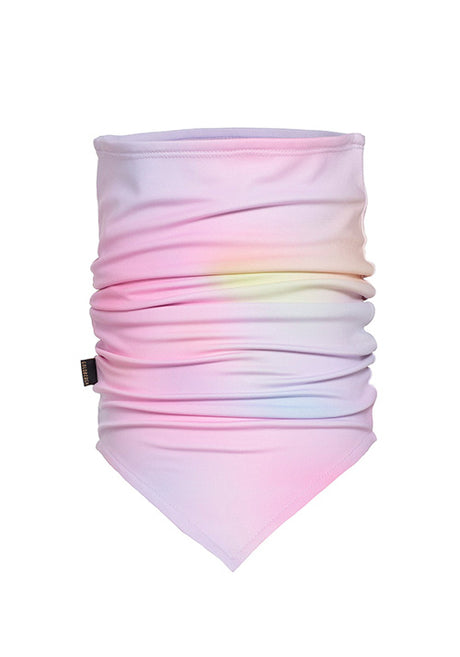
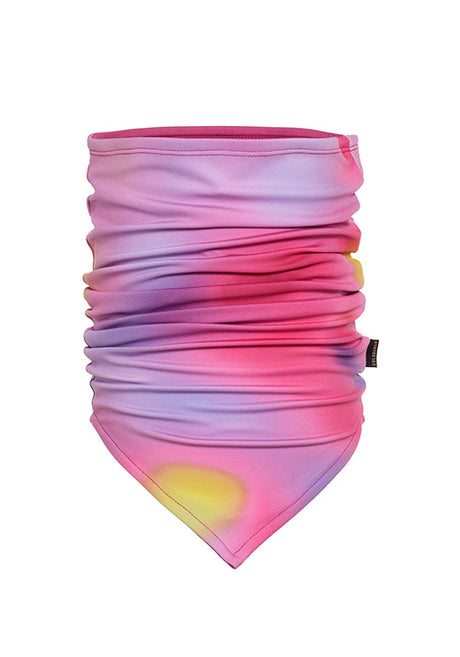
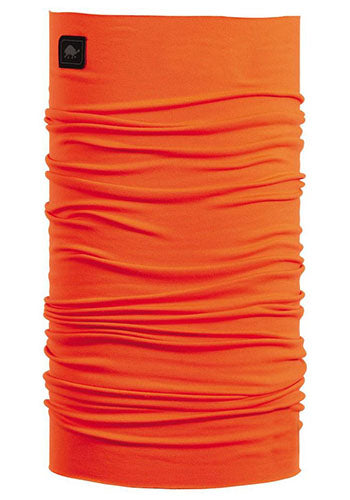
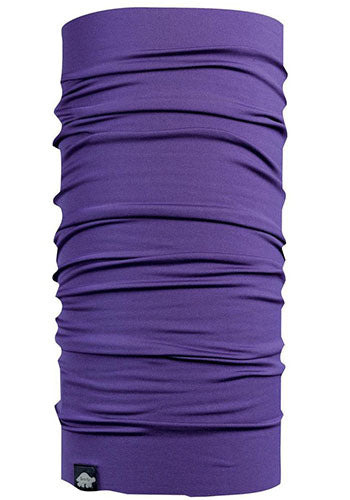
The best pick depends on what you're doing and how hard you're working; a lightweight neck warmer can better suit warmer days in comparison to a thermal or fleece alternative, for example. For storm days and bitter cold snaps, in this case, a full balaclava or fleece neck warmers keeps heat locked in across your face, ears, and neck in one piece.
Park riders and ski tourers by contrast will often generate more body heat. Thinner, moisture-wicking fabrics stop that clammy feeling building under your face covering mid-run. Convertible and hinged designs work well here too; drop the mouth panel on the lift, pull it up before you drop in, and away you go.
Materials That Actually Matter
• Merino wool stays warm even when damp, resists odour across multi-day trips, and feels soft against skin. If you've avoided wool because of itch, modern merino is a different story.
• Synthetic blends (polyester/elastane) dry faster, hold their shape longer, and handle high-sweat days better than natural fibres.
• Fleece delivers serious warmth, but adds bulk as a trade-off. Check that it sits comfortably under your helmet before committing to a thick fleece balaclava.
Dealing with Goggle Fog
Breath rising into your goggles is the most common complaint with face coverings, irritating the skin and potentially fogging your vision in the middle of an important run. To deal with this, our advice would be to keep fabric sitting below the goggle foam rather than bunching underneath it.
Masks with breathable or vented mouth panels direct warm air downward instead of up into the lens. Avoid thick folds across the bridge of your nose, as it creates a make-shift 'dam' of sorts that prevents hot air from filtering out of your mask. If fog is a recurring problem, a convertible style lets you open up ventilation on the lift without exposing your neck entirely.
Frequently Asked Questions
What's the difference between a ski mask, balaclava, and neck warmer?
What's the difference between a ski mask, balaclava, and neck warmer?
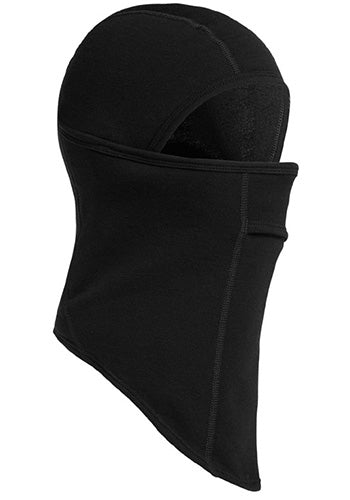
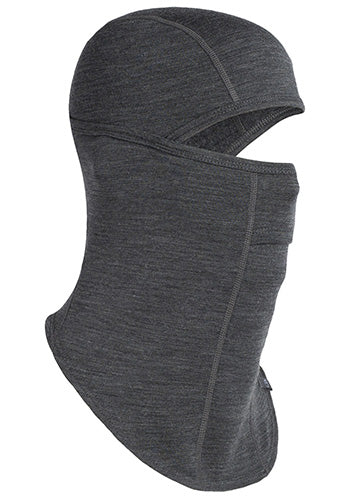
A balaclava covers your head, face, and neck in one piece. A ski face mask covers the lower face and nose. A neck warmer or gaiter is an open tube that sits around your neck and pulls up over your chin when needed. For ideal wear, a balaclava is great for full protection in harsh conditions, a neck warmer for flexibility, and a face mask when you want coverage without headwear built in.
Will a balaclava fit under my helmet?
Will a balaclava fit under my helmet?
Most adult balaclavas are designed to sit flat under a helmet. Look for low-profile seams and four-way stretch fabric. Bulky fleece versions can create a tight fit, especially with snug helmets, so try the combination together if possible.
Do I really need a full face covering for Australian snow?
Do I really need a full face covering for Australian snow?
Conditions on Australian mountains shift quickly. A mild morning can turn into wind-driven snow by midday. A neck gaiter handles most days, but pack a balaclava for early starts, exposed chairlifts, and storm days when windchill drops well below freezing.